
Tech Buying Guide
Best Laptops of 2026
After extensive research comparing manufacturer specs, published benchmarks, and owner feedback, these are our top laptop picks for US shoppers.
- Last Updated: Aug 2026
- Reading Time: 10 min
- Author: Bythentic Team
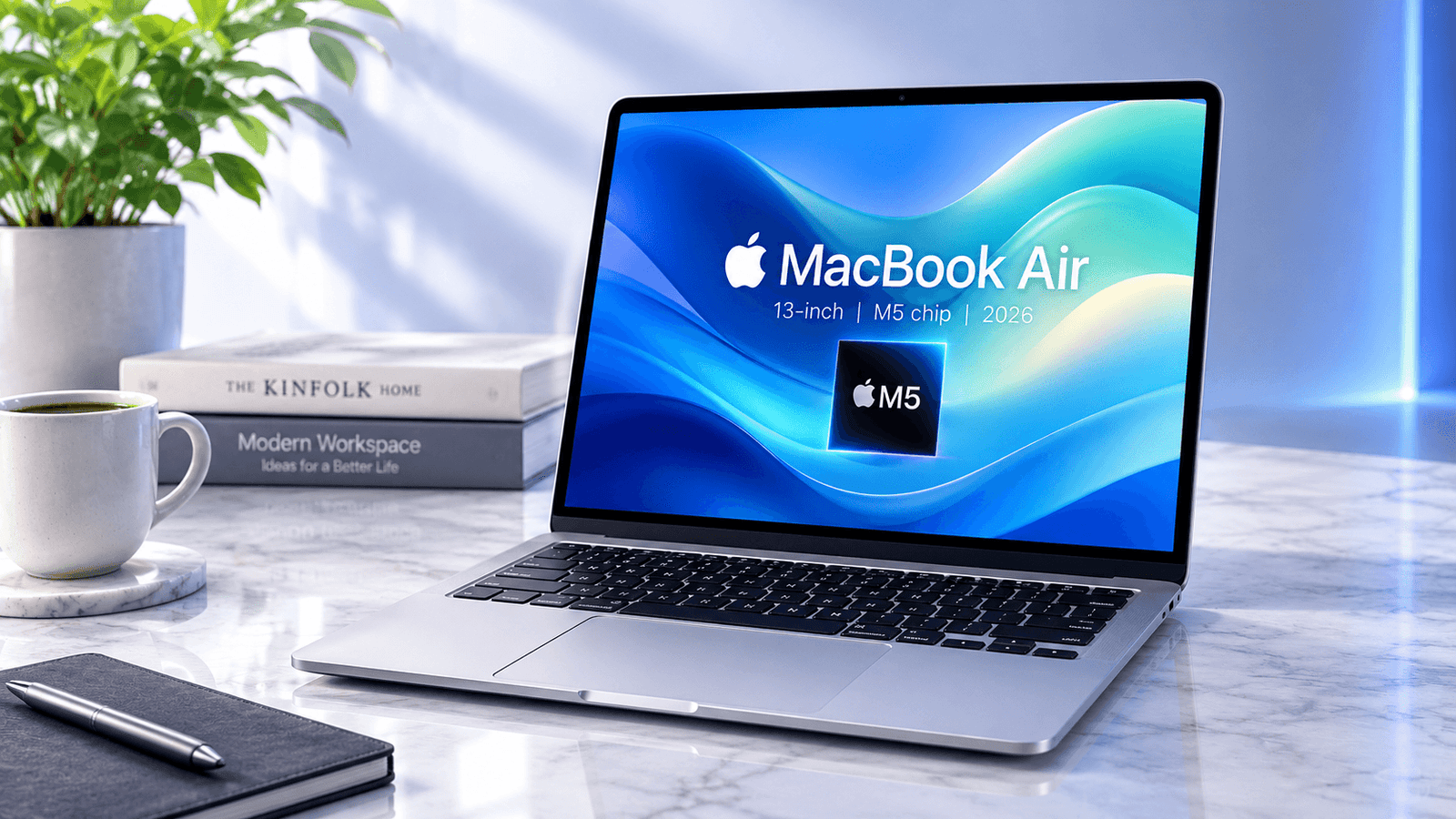
Apple MacBook Air 13"(M5)
9.0/10
The M5 MacBook Air refines Apple’s ultraportable formula with a faster chip, doubled base storage, and all-day battery life, making it one of the most balanced thin-and-light laptops available in 2026.
- Best Overall
Why Trust Bythentic?
We’ve spent hours researching laptops so you don’t have to. Here’s how we ensure our recommendations are always reliable.
Independent Research
No brand sponsorships, no paid placements. Our editorial independence is our most valuable asset.
Rigorous Research
Every product we recommend is evaluated against manufacturer specs, published benchmarks, and owner feedback.
Honest Recommendations
We don't pull punches. If a product has flaws, we'll tell you. We only recommend what we'd buy ourselves.
Data-Driven Analysis
Every laptop is scored across six weighted categories — performance, build, display, battery, portability, and value.
Our Top Picks in Detail
Honest breakdowns of each pick, including where they fall short.
- Best Overall
9.0/10
Apple MacBook Air 13" (M5)
Apple’s third-generation Air refinement lands on a familiar formula executed with more polish: a chip built for AI-era workloads, twice the onboard storage of last year’s model, and battery life that comfortably spans a full workday.
Apple
- Pros
- Doubled base storage (512GB)
- Up to 18-hour battery
- Lightweight fanless design
- Cons
- Price increased this generation
- Can throttle under sustained heavy loads
- Best Battery
8.9/10
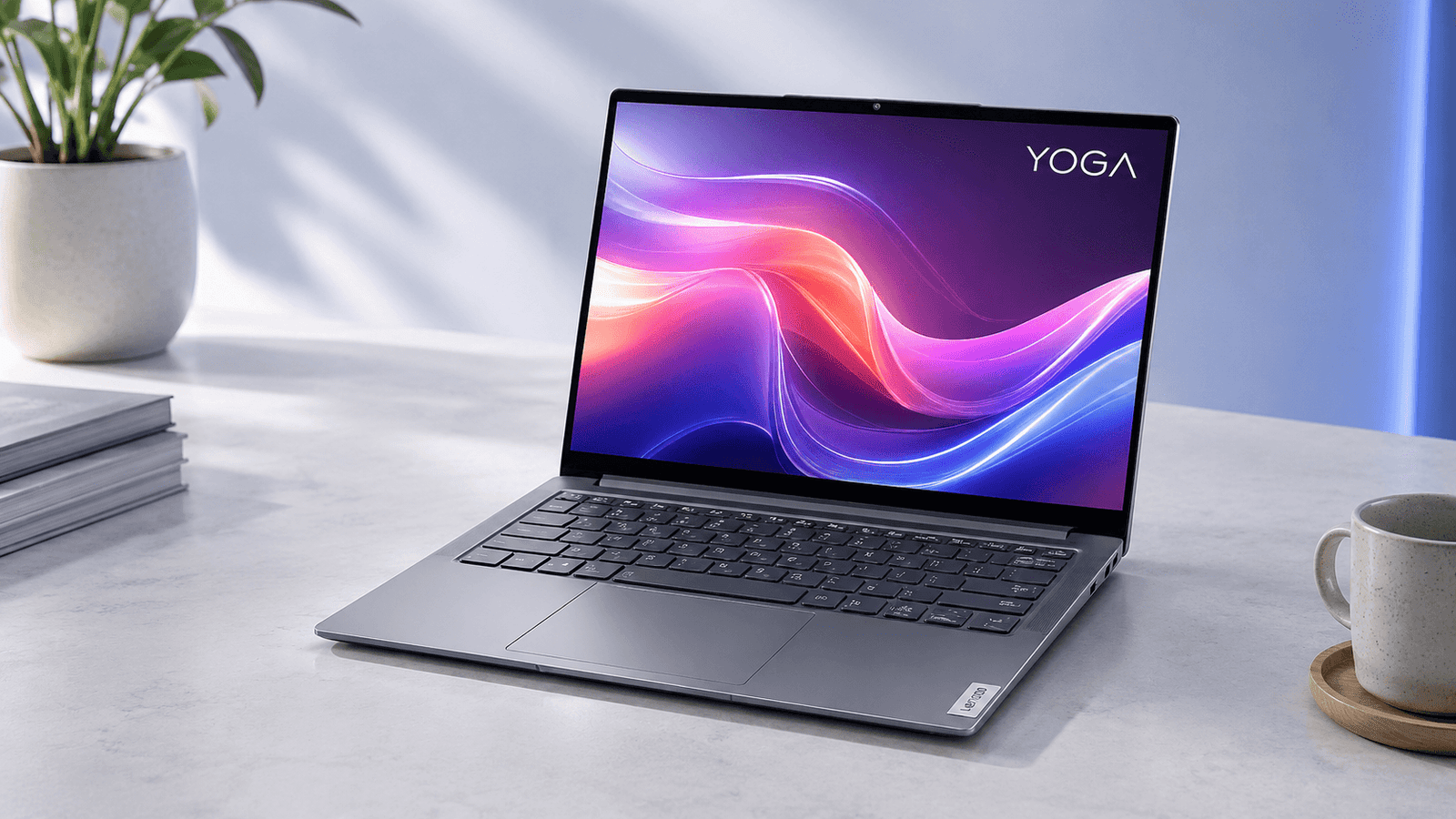
Lenovo Yoga Slim 7i
The Lenovo Yoga Slim 7i pairs a lightweight magnesium build with class-leading battery life, delivering one of the best Windows ultrabooks for everyday productivity and travel in 2026.
lenovo
- Pros
- 17+ hour battery life
- Vibrant 2.8K OLED display
- Ultra-lightweight build
- Cons
- Price increased from previous generation
- Limited gaming/creative performance
- Best Display
8.7/10
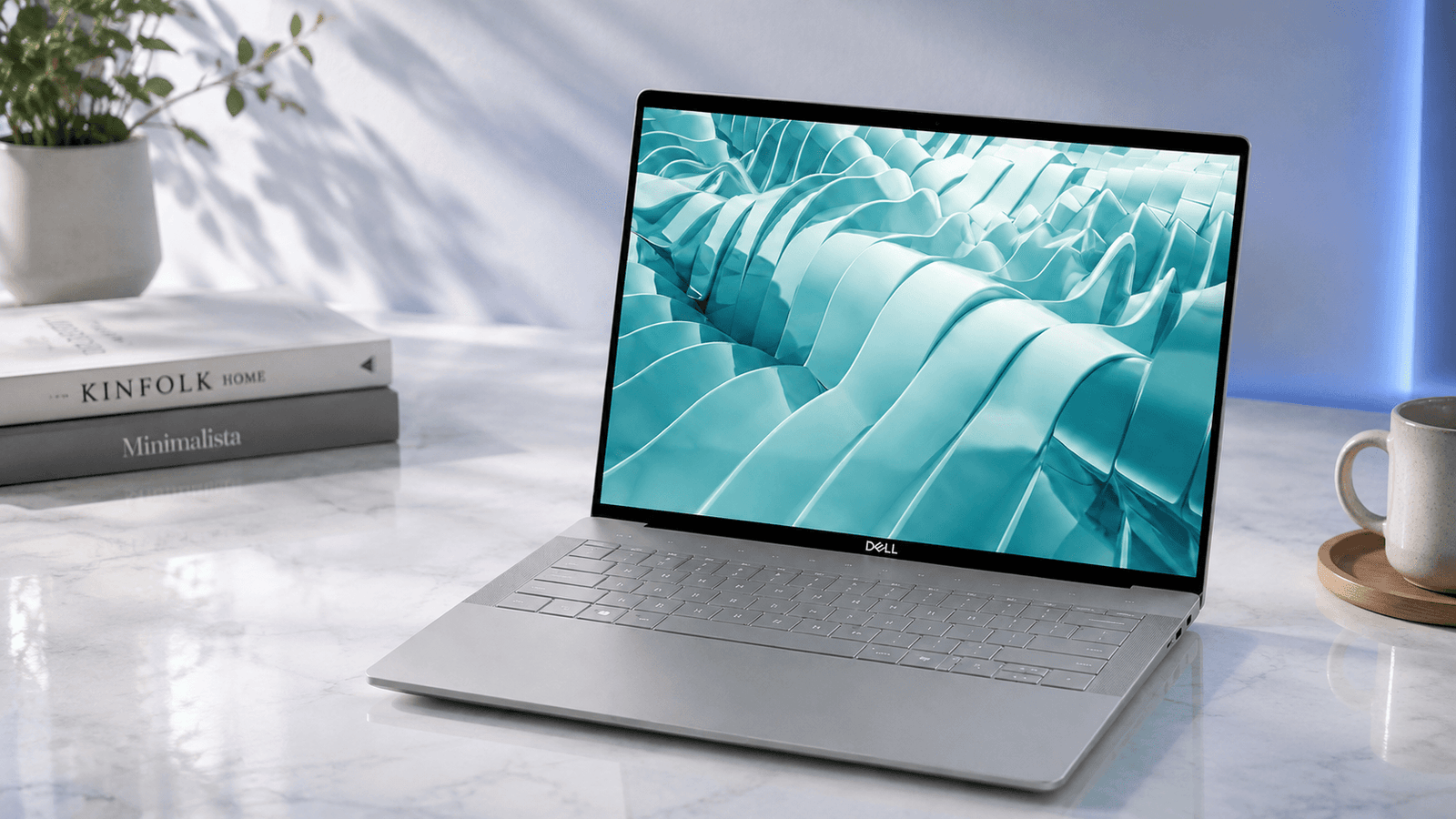
Dell XPS 14 Premium
The Dell XPS 14 Premium delivers where it counts: a genuinely stunning 3.2K OLED touchscreen, a fast Intel Core Ultra 7 processor, and a solid metal chassis that feels every bit as premium as its price tag.
dell
- Pros
- Stunning 3.2K OLED touchscreen
- Premium aluminum build
- Generous 1TB SSD storage
- Cons
- Higher price point
- Shorter battery life than rivals
- Best Budget
8.5/10
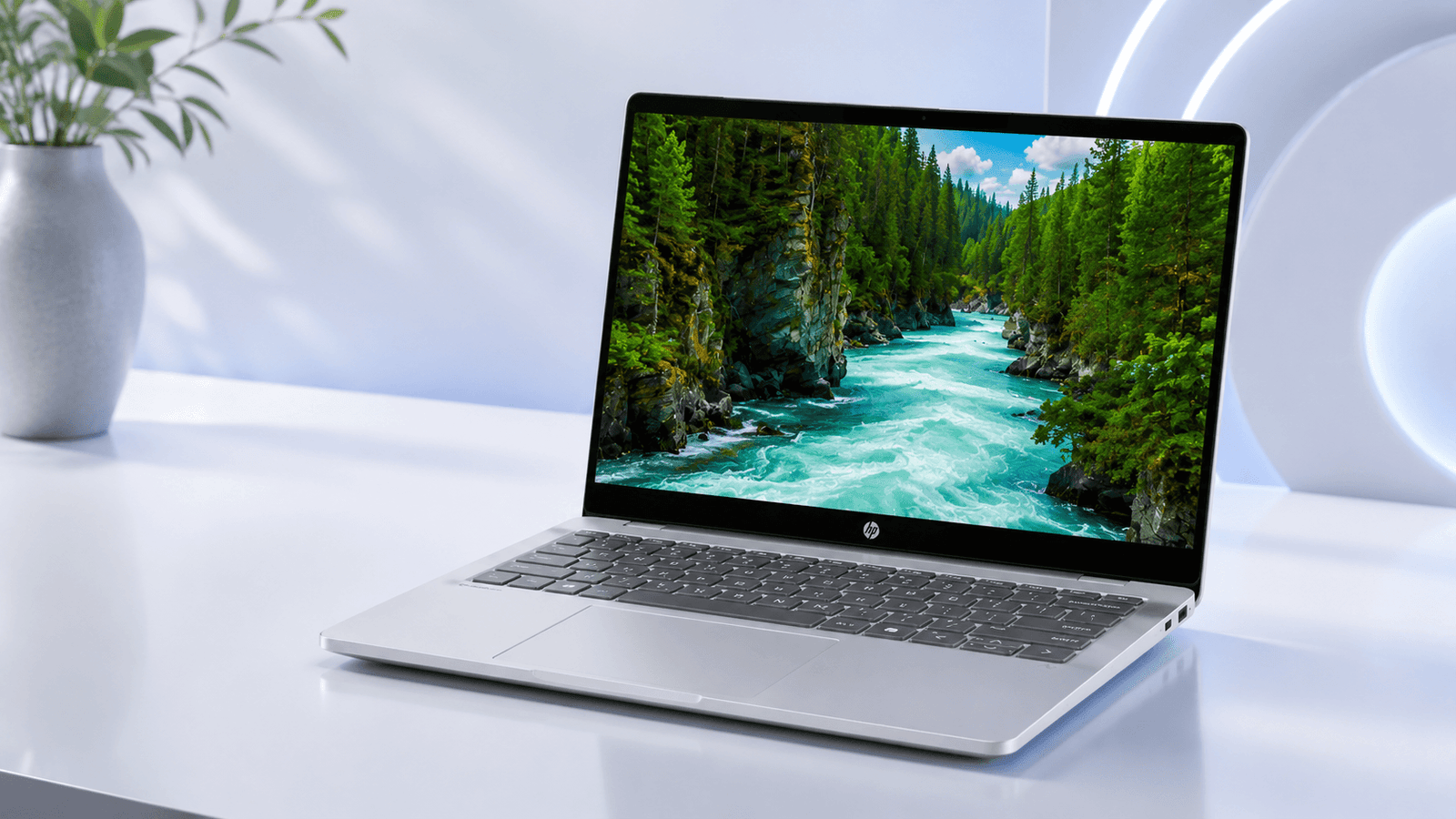
HP OmniBook 5 14
The HP OmniBook 5 14 proves you don’t need to spend big to get a genuinely good laptop — its OLED touchscreen, Snapdragon-powered efficiency, and long battery life punch well above its price point
hp
- Pros
- Genuinely affordable price
- Vivid 2K OLED touchscreen
- Excellent all-day battery life
- Cons
- Weaker performance than Intel/Apple rivals
- No dedicated SD card reader
Our Research Process
How we research, compare, and score every laptop before it makes our list.
1
Research Process
We start with a survey of manufacturer spec sheets, published benchmarks, and expert reviews before shortlisting the strongest candidates for deeper comparison against real-world needs.
2
Comparative Analysis
We compare each laptop against real-world usage scenarios — everyday productivity, creative work, portability, and battery life — based on owner reports and expert reviews across trusted sources.
3
Scoring System
Our scoring system covers six weighted categories: Performance, Build Quality, Display, Battery Life, Portability, and Value for Money — each weighted by real-world importance.
What to Look For
Key factors to weigh before you buy
Performance
Consider CPU/chip speed, RAM configuration, and GPU capability for the workloads you’ll actually run — everyday tasks, creative work, or light gaming.
Features
Look for a display quality that matches your needs — OLED for color accuracy, touchscreen for versatility — plus enough ports for your accessories without needing dongles.
Value
Assess the price against battery life, build materials, and storage you’ll actually use, especially since configurations can shift price significantly.
Durability
Pay attention to chassis material — aluminum and magnesium hold up far better than plastic — plus keyboard travel and hinge quality for long-term daily use.
Frequently Asked Questions
Should I choose a MacBook or a Windows laptop?
If you’re already in the Apple ecosystem (iPhone, iPad, or use apps like Final Cut Pro), the MacBook Air makes sense for seamless integration. Windows laptops like the Dell XPS or Lenovo Yoga offer more configuration flexibility and often longer battery life for the price.
Do I need an OLED display?
OLED displays offer deeper blacks and richer colors than standard LCD panels, which matters most for photo/video editing or media consumption. For basic productivity and browsing, a standard display is perfectly fine and typically cheaper.
How much RAM do I actually need?
16GB is comfortable for most everyday multitasking, browsing, and productivity work. If you do heavy photo/video editing or run many apps simultaneously, 24-32GB gives more headroom and longevity.
Is a Snapdragon (ARM) laptop as good as Intel or Apple Silicon?
Snapdragon-powered laptops offer excellent battery efficiency and handle everyday tasks well, but some older Windows software may run into compatibility quirks through emulation. For most daily use, it’s a solid and affordable option.
What's the real-world difference in battery life between these laptops?
It varies significantly — from around 10-11 hours on the Dell XPS 14’s power-hungry OLED touchscreen up to 17+ hours on the Lenovo Yoga Slim 7i and HP OmniBook 5 14, both benefiting from more efficient displays and processors.
Which laptop is best for students on a budget?
The HP OmniBook 5 14 offers the best value by far — a genuinely good OLED touchscreen and all-day battery life at a fraction of the price of the other three laptops in this guide.
Quick Picks Summary
Best Overall
Apple MacBook Air 13" (M5)
The most balanced ultraportable for everyday performance and battery life.
Best Battery
Lenovo Yoga Slim 7i
Outlasts even the MacBook Air with 17+ hours of real-world use.
Best Budget
HP OmniBook 5 14
Genuinely great OLED display at a fraction of the price.
Related Buying Guides
Browse our full collection of tech reviews, comparisons, and buying guides.
Comparing Apple’s full smartwatch lineup on health tracking, battery life, and price.
Our top headphone picks compared on ANC, comfort, and battery life.